Description
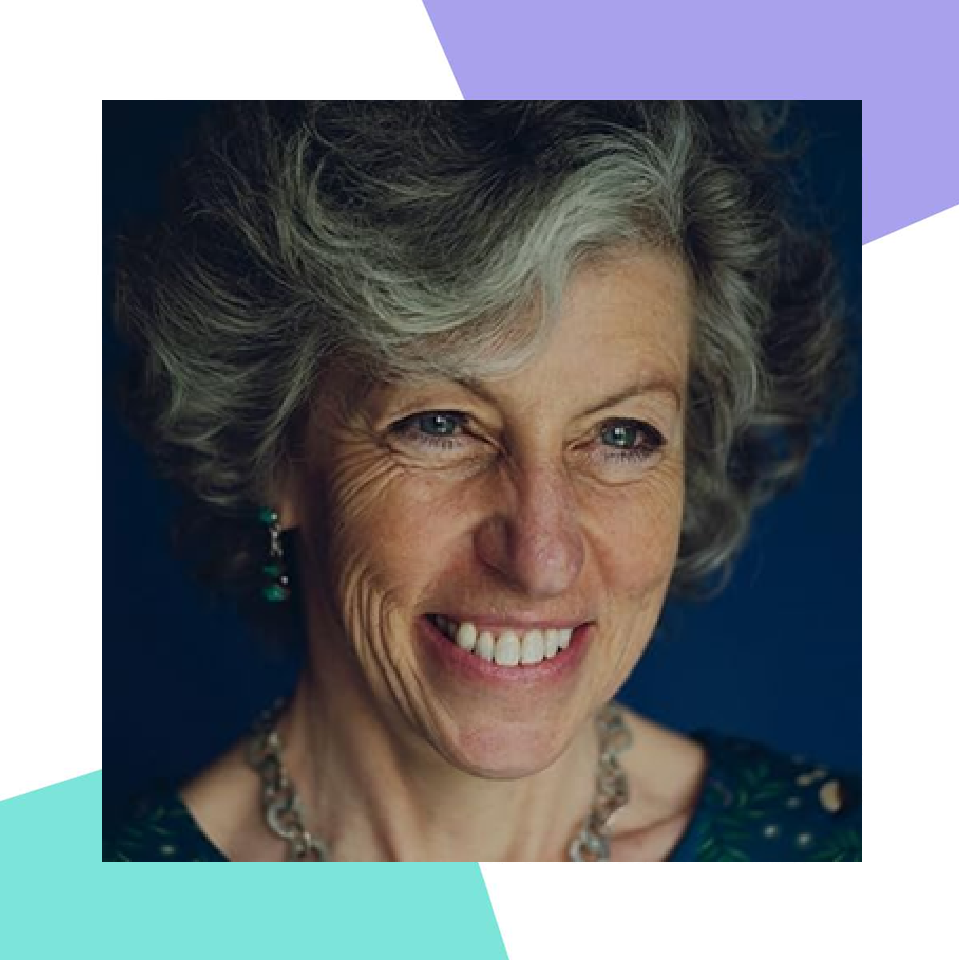
In this episode of Making Therapy Better, Dr. Bruce Wampold sits down with Dr. Anat Perry, Director of the Social Cognitive Neuroscience Lab at the Hebrew University of Jerusalem and a Helen Putnam Fellow at the Radcliffe Institute at Harvard University, for a timely and thought-provoking conversation about AI, empathy, and the future of psychotherapy.
Together, Bruce and Anat explore what empathy really means in a world where large language models can sound remarkably warm, caring, and emotionally attuned. Drawing from Anat’s research, they break empathy into three core components — cognitive empathy, affective empathy, and motivational empathy — and ask which of these can be approximated by AI and which still depend on genuine human relationship.
The conversation examines where AI may be useful in therapy, especially when people need tools, psychoeducation, guidance, or structured support, and where it may fall short — particularly when what is needed is human connection, shared emotional experience, trust, and authentic care. Bruce and Anat also discuss the promise of integrating AI into training and treatment in carefully designed ways, while warning against replacing real relational work with simulated responses.
Beyond psychotherapy, the episode raises deeper questions about loneliness, social learning, authenticity, and development. Anat explains how constant access to artificial empathy may weaken opportunities to build real-world social skills and relationships, especially for younger generations growing up in digitally mediated environments. Together, they consider not only what AI can do, but what human beings may lose if empathic technologies become substitutes rather than supports for genuine connection.
This season finale offers a nuanced and urgent perspective on one of the biggest questions facing the field today: not simply whether AI can mimic empathy, but what kind of empathy — and what kind of relationship — healing truly requires.
Similar episodes
-
Season 3 Episode 6: "Belonging As Treatment: The Power of Group Therapy" - Cheri Marmarosh, Ph.D
With Cheri Marmarosh, PhD -
Season 3 Episode 5: "The Changing Landscape of Mental Health Services" - Mark Olfson, MD, MPH
With Mark Olfson, MD, MPH -
Season 3 Episode 3: "Better Therapist Training & Supervision" with Louis Castonguay, Ph.D.
With Louis Castonguay, Ph.D -

Season 2 Episode 8: "How Can AI Help Improve Therapy?" with Zac Imel, PhD
With Zac Imel, PhD -

Season 2 Episode 7: "Closing the Global Mental Healthcare Gap" with Daisy Singla, PhD
With Daisy Singla, PhD -
Season 2 Episode 6: "Can Psychosis be Treated with Therapy?" with Michael Garrett, MD
With Michael Garrett, MD -
Season 2 Episode 5: "What is a Mental Disorder?" with Jerome Wakefield, PhD
With Jerome Wakefield, PhD -

Season 2 Episode 4: "Psychoanalytic Diagnosis and Supervision" with Nancy McWilliams, PhD
With Nancy McWilliams, PhD -

Season 2 Episode 3: "Depression and Psychedelic Therapy" with Charles Raison, MD.
With Charles Raison MD. -

Season 2 Episode 2: "Treating Depression" with Steve Hollon, PhD
With Steve Hollon, PhD -

Season 2 Episode 1: "The Evolution of Depression" with Ed Hagen, PhD
With Ed Hagen, PhD -
Episode 12: "Technology and Mental Health Care" with Barrett Griffith, Maureen Hart, PhD and Geoff Gray, PhD
With Barrett Griffith, Maureen Hart, PhD and Geoff Gray, PhD -
Episode 11: "Alliance Rupture and Repair" with Catherine Eubanks, PhD
With Catherine Eubanks, PhD -

Episode 10: "The Problem with Clinical Trials" with Jonathan Shedler, PhD
With Jonathan Shedler, PhD -

Episode 9: "Primary Care Integration" with Ed Jones, PhD
With Ed Jones, PhD -
Episode 8: "What is Empathy?" with Terri Moyer, PhD and Bill Miller, PhD
With Terri Moyer, PhD and Bill Miller, PhD -

Episode 7: "The Power of Professional Humility" with Helene Nissen-Lie, PhD
With Helene Nissen-Lie, PhD -
Episode 6: "Tracking Outcomes in Community Mental Health" with Robbie-Babins Wagner, PhD
With Robbie-Babins Wagner, PhD -
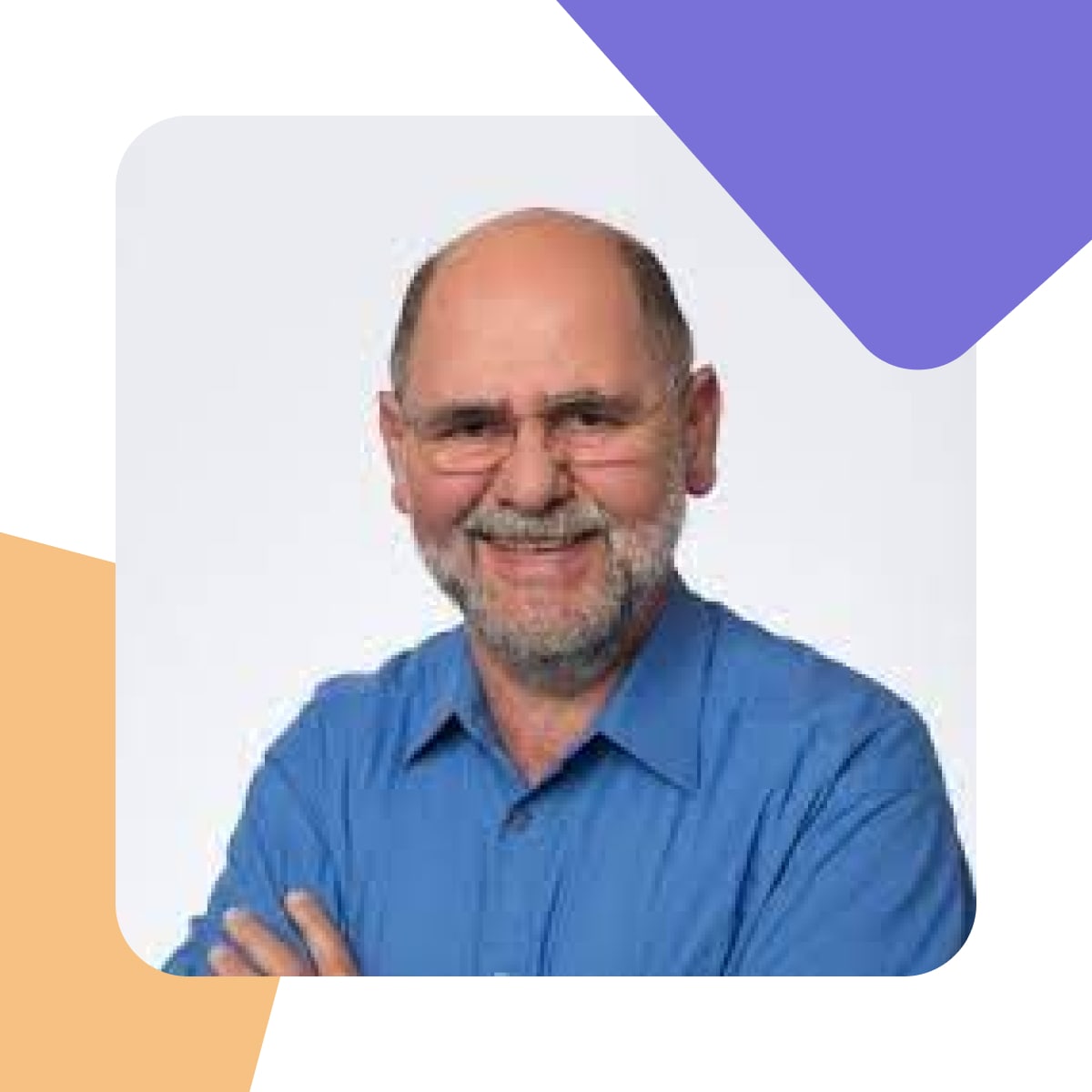
Episode 5: "Case Formulation and Flexibility" with George Silberschatz, PhD
With George Silberschatz, PhD -

Episode 4: "Multicultural Therapy" with Dr. Jesse Owen
With Dr. Jesse Owen -
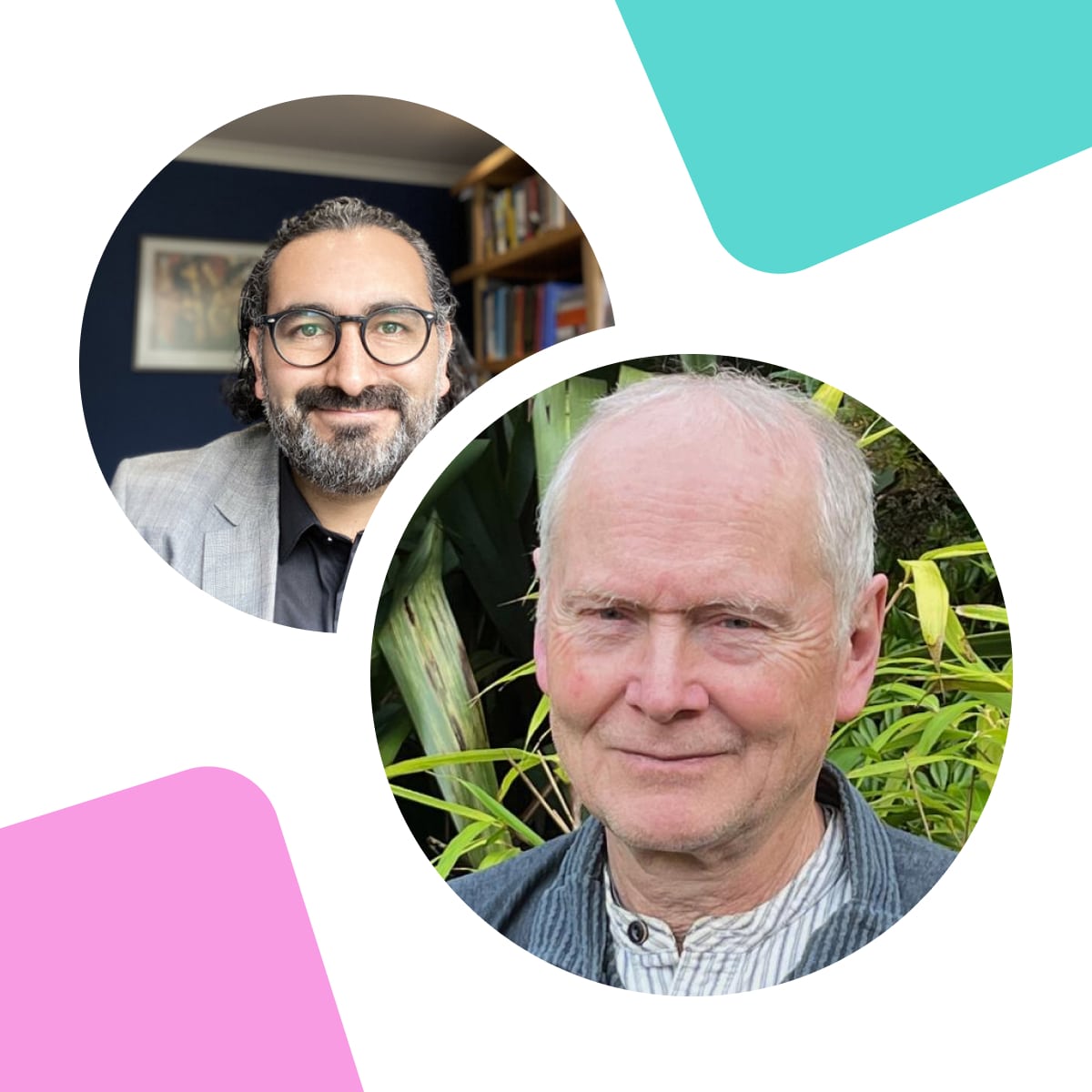
Episode 3: “Improving Systems of Care” with Michael Barkham, PhD and Jaime Delgadillo, PhD
With Michael Barkham, PhD and Jaime Delgadillo, PhD -

Episode 2: "Measurement-Based Care and Deliberate Practice" with Scott D. Miller, PhD
With Scott D. Miller, PhD -
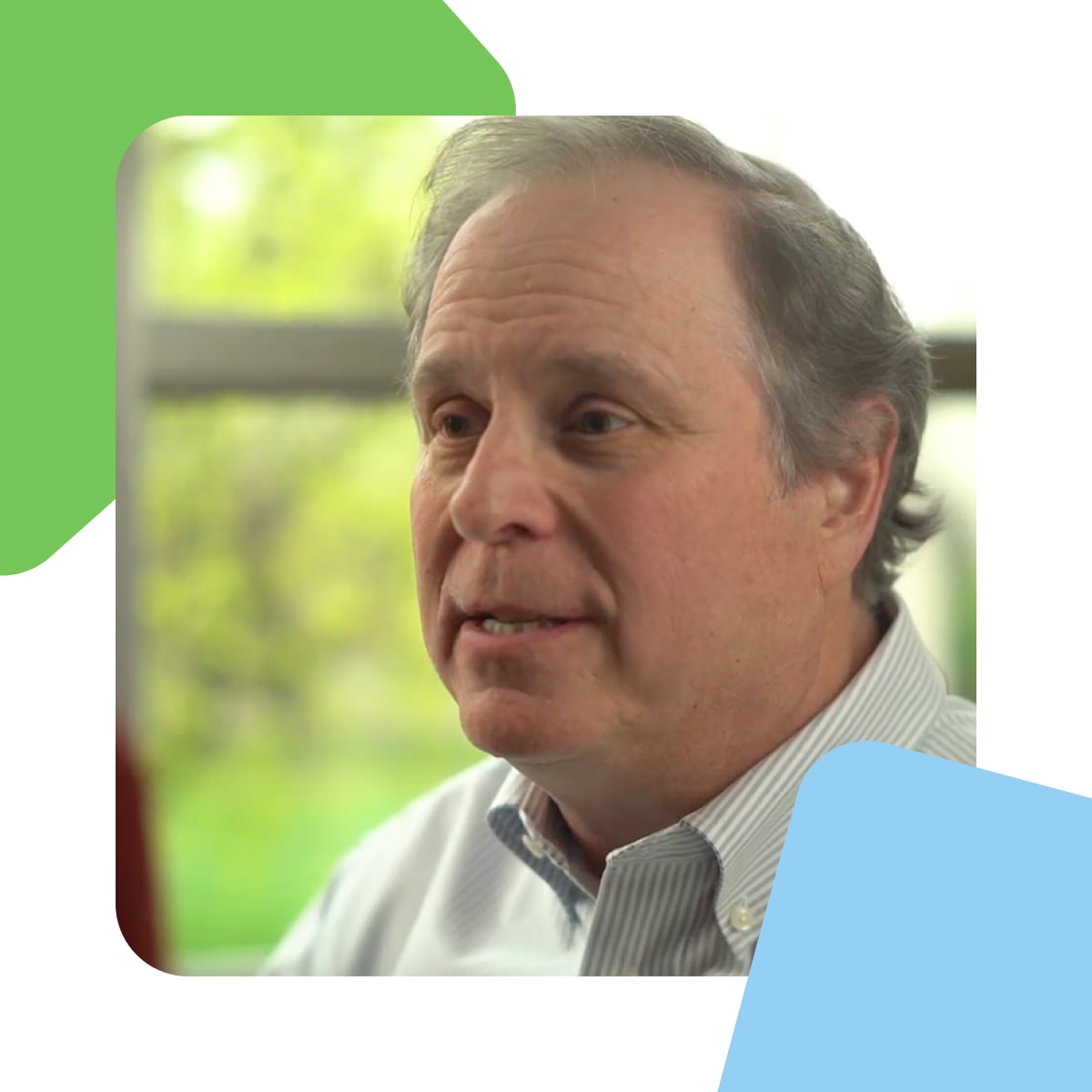
Episode 1: "The Future of Psychotherapy" with John Norcross, PhD, ABPP
With John Norcross, PhD, ABPP